Executive Nutrition for Peak Performance: The Strategic Advantage Leaders Use to Stay Sharp
Eat to lead: discover the diet strategies that fuel clarity and energy.


Executives face nonstop decisions, high-stakes pressure, and marathon workdays that would break most professionals. But the highest-performing leaders have discovered a secret weapon that doesn't come from business school or leadership coaching—it comes from their kitchen.
Your brain consumes 20% of your daily calories despite being only 2% of your body weight. For executive performance, this means nutrition isn't just about health—it's about competitive advantage. What you eat directly impacts how clearly you think, how decisively you act, and how long you can sustain elite-level performance under pressure.
The High-Performance Executive Diet: Strategic Fuel for Success
Executive nutrition isn't about restrictive diets or complicated meal plans. It's about strategic input that maximizes cognitive output. The most successful leaders understand that their food choices are as important as their strategic decisions.
Whole, nutrient-dense foods form the foundation of peak executive performance:
- Lean proteins (fish, poultry, legumes) provide sustained energy and support neurotransmitter production
- Complex carbohydrates (quinoa, oats, sweet potatoes) deliver steady glucose to fuel brain function
- Colorful vegetables offer antioxidants that protect against decision fatigue
- Healthy fats support hormone production and cognitive flexibility
- Fiber-rich fruits stabilize blood sugar and provide essential vitamins
Research consistently shows that omega-3 fatty acids from fish, flaxseeds, and walnuts are particularly powerful for executives. These essential fats improve memory consolidation, enhance cognitive flexibility, and reduce mental decline—critical advantages for leaders managing complex, high-pressure decisions daily.
Avoiding the Productivity Killers: Why Processed Foods Sabotage Success
Ultra-processed snacks and convenience foods are executive performance killers. They create a cycle of energy spikes and crashes that derail sharp thinking precisely when leaders need it most.
The hidden costs of poor food choices include:
- Rapid blood sugar fluctuations that impair judgment
- Brain fog that reduces strategic thinking ability
- Decision fatigue that compounds throughout the day
- Energy crashes during critical afternoon meetings
Smart executives replace these productivity saboteurs with high-performance alternatives:
- Mixed nuts and seeds for sustained energy
- Hard-boiled eggs for protein and choline
- Apple slices with almond butter for balanced fuel
- Greek yogurt with berries for probiotics and antioxidants
These executive-friendly snacks maintain stable energy levels, support mental clarity, and prevent the late-day energy crashes that lead to poor decision-making.
Hydration: The Overlooked Executive Advantage
Even mild dehydration—as little as 2% fluid loss—significantly impairs focus, mood regulation, and decision-making capacity. For executives operating in high-pressure environments, optimal hydration isn't optional—it's essential infrastructure.
Executive hydration best practices:
- Keep a large, refillable water bottle visible and accessible throughout the day
- Limit caffeine intake after 2 PM to prevent sleep disruption
- Replace sugary beverages with water, herbal tea, or sparkling water with lemon
- Monitor urine color as a hydration indicator
A properly hydrated brain processes information faster, maintains emotional regulation under stress, and makes more accurate strategic decisions. This simple factor can be the difference between a good day and a great day of leadership.

Strategic Meal Timing: Eating Like You Schedule Meetings
Top-performing executives don't leave their nutrition to chance—they schedule eating with the same intentionality they bring to board meetings. Random eating patterns create energy instability that undermines cognitive performance.
Skipping meals or mindless eating while multitasking leads to:
- Poor nutrient absorption
- Unpredictable energy dips
- Increased likelihood of mental errors
- Digestive stress that affects overall performance
Executive meal timing strategy:
- Schedule small, balanced meals every 3-4 hours
- Step away from screens during meals to focus on proper digestion
- Practice mindful eating to enhance satisfaction and nutrient absorption
- Plan meals in advance to avoid reactive food choices
This systematic approach to nutrition creates the stable energy foundation that elite performance requires.
Brain-Boosting Foods: Your Executive Performance Toolkit
Strategic food choices can enhance specific cognitive functions that matter most in leadership roles. High-performing executives prioritize foods that deliver measurable mental advantages:
For Enhanced Focus and Memory:
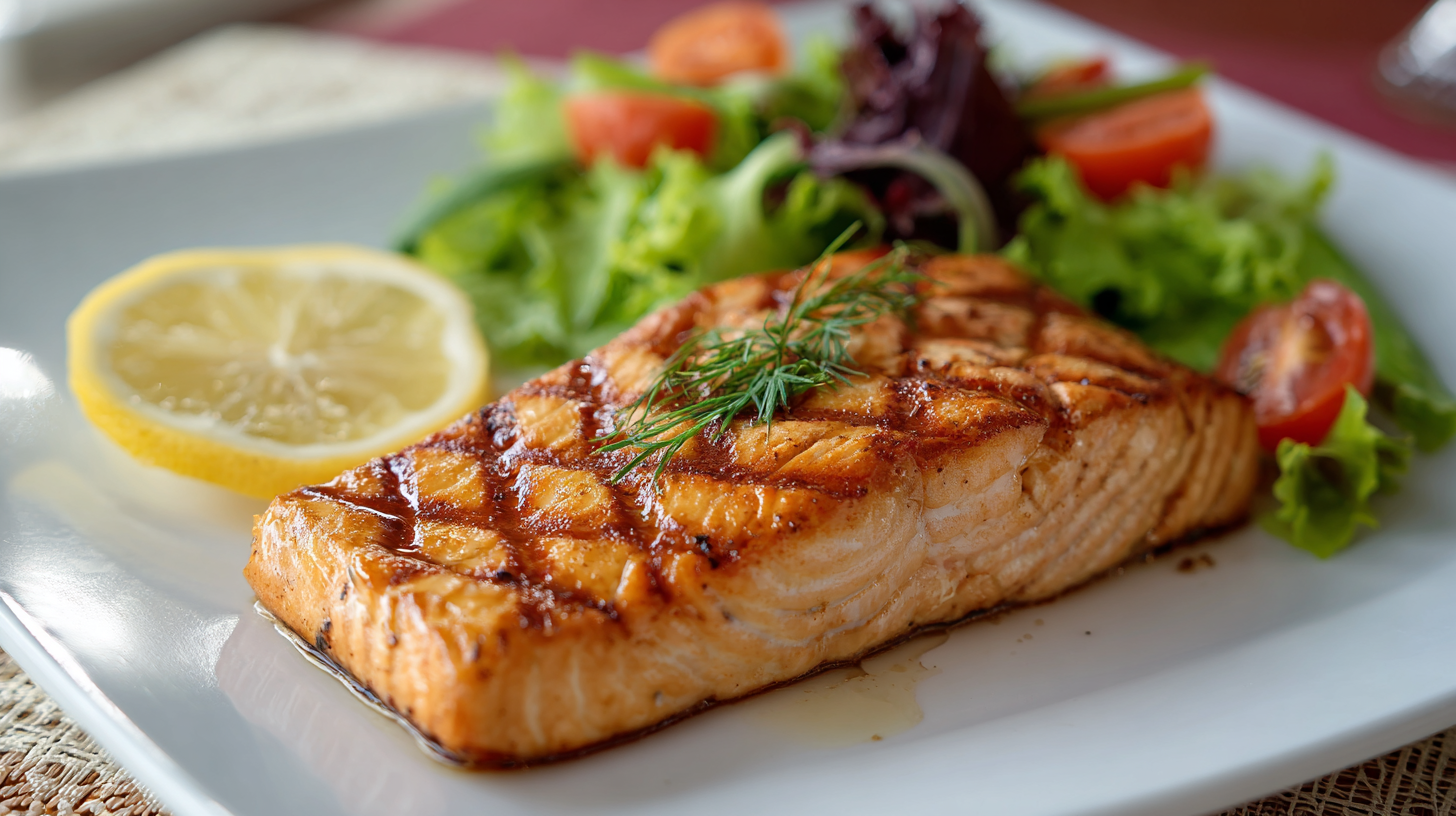
- Fatty fish (salmon, sardines) provide DHA omega-3s for brain structure
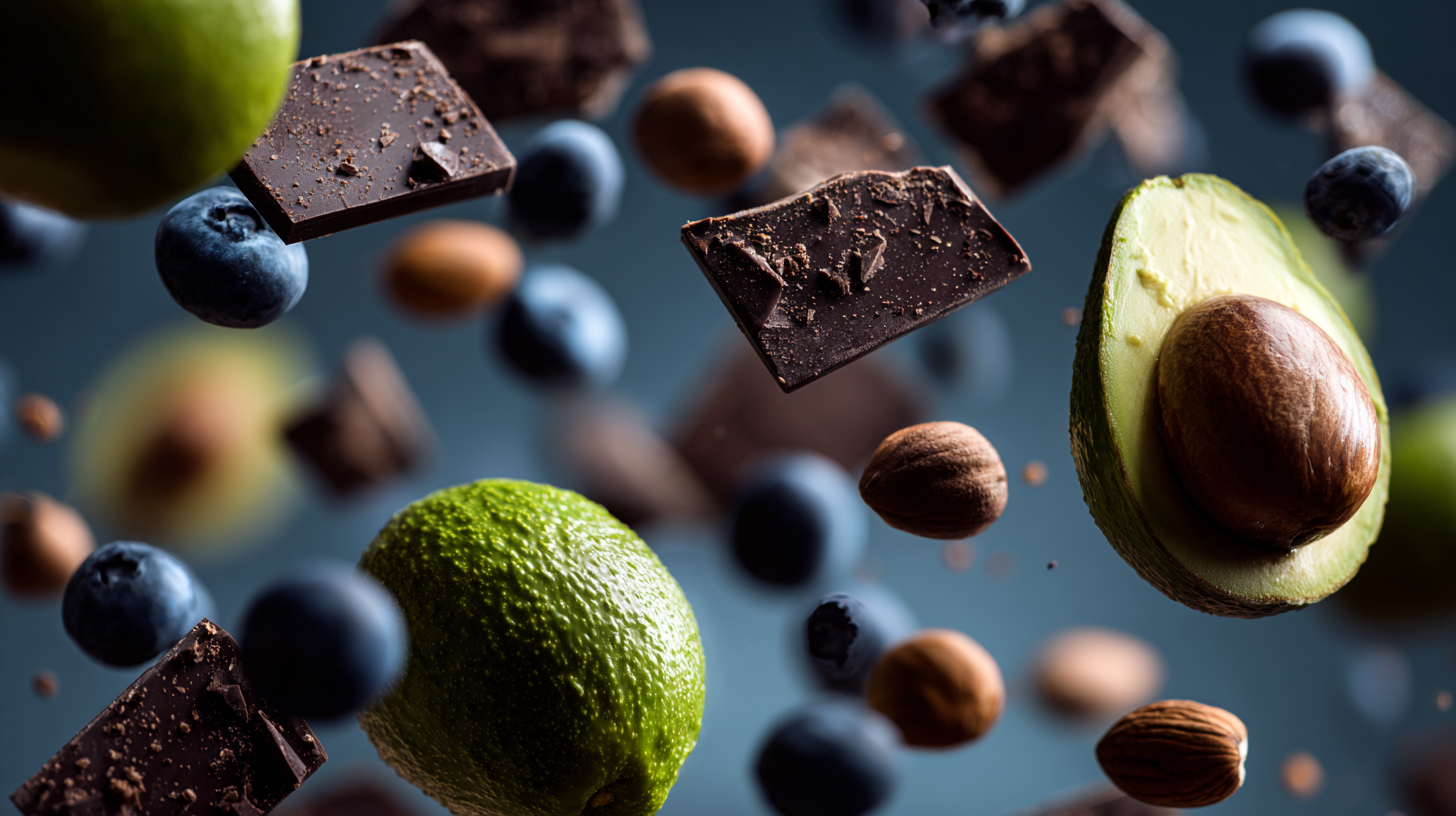
- Blueberries offer anthocyanins that improve memory formation
- Eggs supply choline for neurotransmitter production
For Stress Resilience and Mood Stability:
- Dark leafy greens deliver magnesium for nervous system regulation
- Dark chocolate (85% cacao) provides flavonoids for cognitive enhancement
- Avocados offer monounsaturated fats for hormone balance
For Sustained Energy and Focus:
- Steel-cut oats provide complex carbohydrates for steady glucose
- Nuts and seeds supply healthy fats and protein for satiety
- Sweet potatoes offer beta-carotene and complex carbs for brain fuel
The Science of Executive Nutrition: Research-Backed Performance Enhancement
Systematic reviews and longitudinal studies consistently demonstrate that nutrition directly impacts executive function. Leaders who maintain a whole-food-based diet show measurable improvements in:
- Decision-making speed and accuracy under pressure
- Sustained attention during long meetings and complex projects
- Emotional regulation when managing difficult conversations
- Creative problem-solving abilities
- Resilience to burnout and chronic stress
This isn't about willpower or discipline—it's about creating the biological infrastructure that makes peak performance possible. Elite executives understand that nutrition is a lever they can pull to gain competitive advantage.
Practical Implementation: Making Executive Nutrition Sustainable
The most effective executive nutrition strategies are simple, sustainable, and aligned with busy professional schedules:
Meal Prep Strategies:
- Batch-cook proteins on weekends for easy weekday assembly
- Pre-cut vegetables for quick snack access
- Keep emergency snacks in office and car
- Identify healthy options near your workplace
Travel Nutrition:
- Pack protein bars and nuts for flights
- Research restaurant options before business trips
- Stay hydrated during air travel
- Maintain meal timing across time zones
Office Optimization:
- Stock a desk drawer with healthy non-perishables
- Keep a quality water bottle at your workspace
- Identify the healthiest options in your building
- Schedule lunch breaks like any other important meeting
Executive Nutrition ROI: The Bottom Line
High-performance nutrition delivers measurable returns on investment for executive leaders:
- Increased productivity through sustained energy and focus
- Better decision quality via improved cognitive function
- Enhanced leadership presence through stable mood and energy
- Reduced sick days due to stronger immune function
- Improved stress resilience for handling high-pressure situations
- Greater career longevity through sustainable performance habits
The executives who consistently outperform their peers aren't just more talented—they've optimized the biological systems that enable sustained excellence.
Your Next Steps: Implementing Executive-Level Nutrition
Start with these high-impact changes:
- Audit your current eating patterns for energy stability
- Plan three balanced meals and two strategic snacks daily
- Increase water intake to support optimal brain function
- Replace processed snacks with whole-food alternatives
- Schedule eating breaks like any other important commitment
Remember: elite performance requires elite fuel. The most successful leaders treat their nutrition with the same strategic thinking they bring to major business decisions.
Your cognitive edge, decision-making clarity, and leadership stamina depend on it. In a world where small advantages compound into massive competitive benefits, executive nutrition isn't just personal development—it's business strategy.
Ready to join executives who choose signal over noise?
Subscribe to The Executive Insight for weekly tactical briefings designed for leaders who execute through clarity, not chaos